

In Buddhism, compassion and wisdom are not two independent virtues. They are inseparable complements—like the two sides of a single coin. Just as a coin cannot exist with only heads or only tails, compassion and wisdom cannot function meaningfully apart from one another. They operate together, forming the balanced path to liberation taught by the Buddha. When one is absent, the practice becomes unbalanced and cannot truly lead to the end of suffering.
The Story of the Snake: Compassion Without Wisdom Leads to Suffering
The story shared here does not originate directly from the scriptures, but it is often told by Theravāda monks as an illustrative teaching. It is considered skillful in application—meaning it is accessible to people of different capacities—and faithful in principle, preserving the essence of the Buddha’s teachings. Through this story, a profound truth is revealed: compassion must always be guided by wisdom.
A Life of Fear and Violence
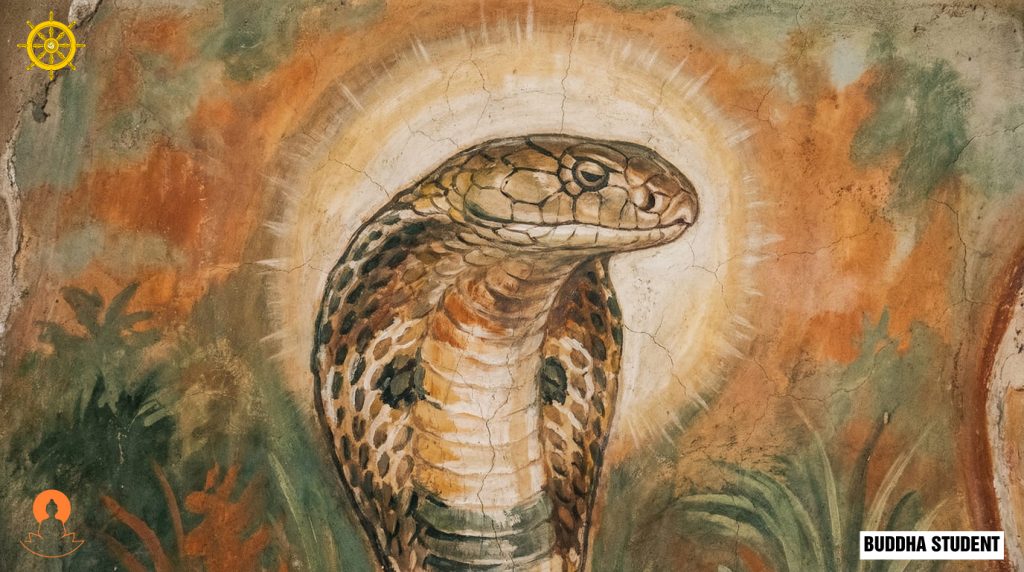
Long ago, in a forest at the edge of a village, there lived a snake known for its fierce and dangerous nature. It lived in constant fear, and because of that fear, it would bite anyone who came near. The villagers were terrified. Whenever they saw the snake, they would chase it away mercilessly with sticks and stones.

Its body became covered in wounds. Scales were torn away, and dried blood clung to its skin. It lived trapped between fearing humans and being hunted by them.
The Buddha’s Teaching
One day, the Buddha passed through the forest. As He approached, the snake prepared to strike. But when it looked into His eyes, it froze. There was no fear or hostility—only deep understanding and boundless compassion.
The Buddha asked, “Why do you bite people?”
The snake replied, “Because I am afraid. If I do not bite, they will kill me.”
The Buddha said, “It is precisely because you bite them that they fear you more. Hatred is never ended by hatred. Only compassion can end hatred.”
He then instructed the snake to practice loving-kindness and stop biting.
Misunderstood Compassion
The snake followed the teaching and stopped biting entirely. Over time, villagers noticed and lost their fear. Their caution turned into cruelty. Children threw stones. Adults mocked and abused it. Some even picked it up like a rope and tossed it back and forth while laughing.
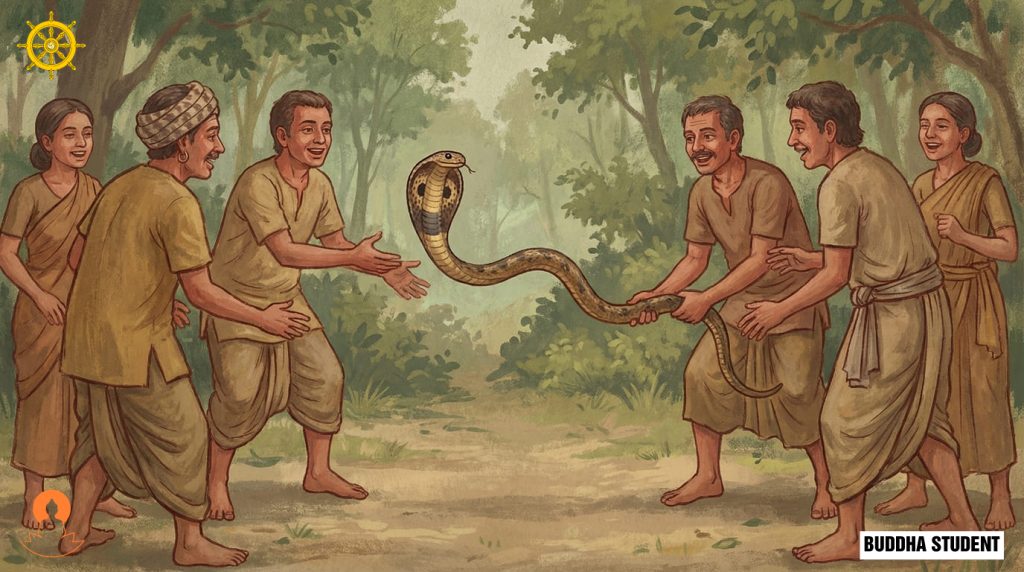
The snake endured everything, believing this was true compassion.
Its body once again became battered—this time not from violence, but from passive submission.
Wisdom Restores Balance
When the Buddha returned and saw the snake’s condition, He asked what had happened. The snake explained it had followed His teaching exactly.
The Buddha responded, “I taught you compassion, but I did not teach you to abandon wisdom.”
He explained that compassion does not mean allowing others to destroy you. The snake should not bite, but it could still raise its hood and hiss—to set boundaries without causing harm.
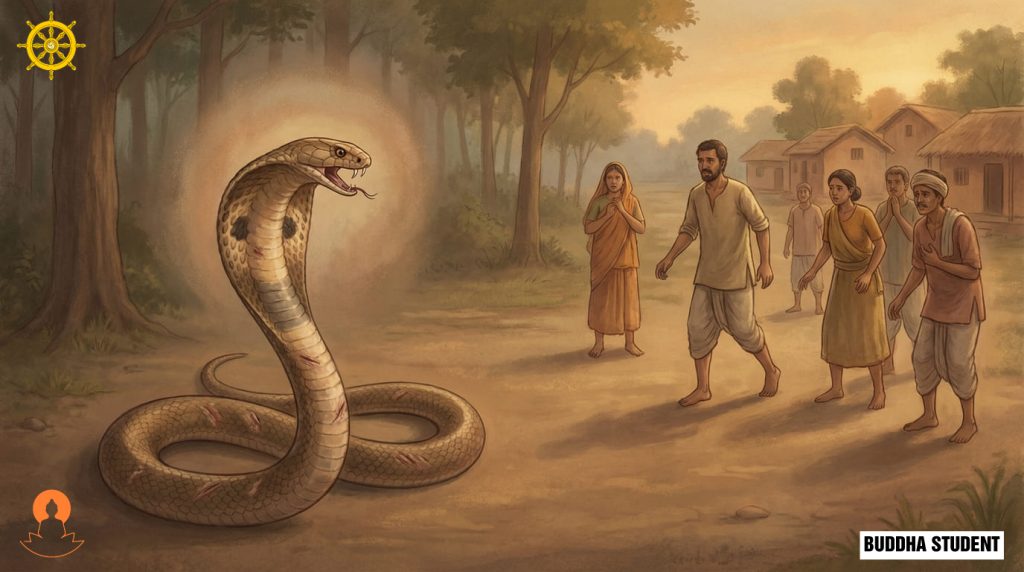
From that moment, the snake understood. It no longer bit anyone, but it signaled clearly when threatened. The villagers stopped abusing it, and it lived the rest of its life in peace.
The Lesson
Compassion prevents you from harming others. Wisdom prevents others from harming you. Without wisdom, compassion becomes weakness. With wisdom, compassion becomes strength and balance.
Human Application: Between Aggression and Submission
This story reflects human behavior. Many people “bite” to protect themselves—using harsh words, emotional walls, or preemptive aggression. Others choose silent endurance, tolerating mistreatment in the name of kindness.
Both extremes lead to suffering. The Buddha’s teaching offers a middle way:
- Do not harm others. But do not allow harm to continue.
- Do not attack. But do not abandon your boundaries.
Weakness is silence born from fear. Compassion is restraint guided by strength. Wisdom allows one to act without aggression and without submission.
The Story of Venerable Moliyaphagguna: When Compassion Becomes Attachment
Middle Length Discourses, Discourse 21
In another teaching, a monk named Moliyaphagguna was known for diligence but struggled with attachment. He frequently associated with nuns and became emotionally inclined to defend them, regardless of right or wrong.
When criticized, he reacted defensively—not out of clarity, but attachment.
The Buddha questioned him and pointed out the imbalance. A practitioner must see clearly what is right and wrong, without being influenced by personal feelings or favoritism.

Attachment, even when disguised as compassion, distorts judgment and prevents liberation.
Bias begins subtly in the mind. When unobserved, it grows. Eventually, one no longer stands on truth, but on personal preference.
True compassion is not siding with individuals—it is aligning with truth. Helping others see their mistakes is compassion. Blindly defending them is not.
The Four Causes of Bias in the Human Mind
In the Anguttara Nikāya, in the Chapter of Fours, he spoke about four causes that can lead a person away from the truth:
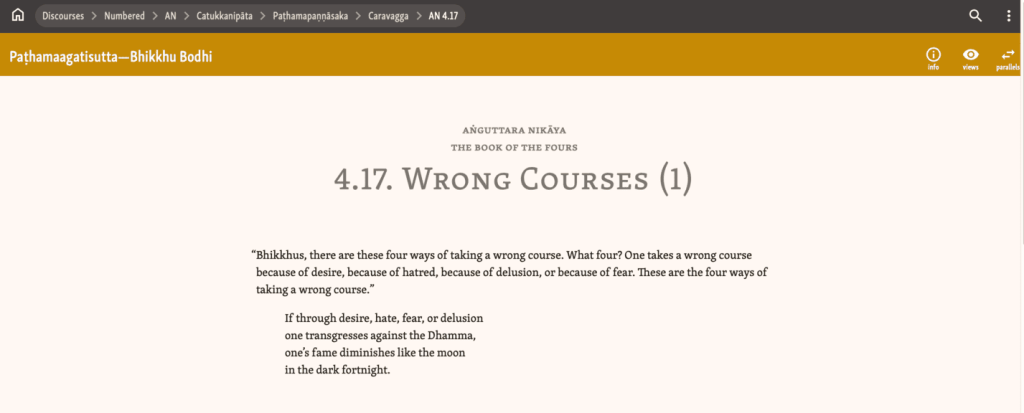
First is bias due to affection (or desire)
Out of love, personal attachment, or emotional closeness, we may make distorted judgments. It appears as excusing the faults of those close to us, or favoring people we like even when they are in the wrong.
Second is bias due to hatred (or anger)
Out of resentment, prejudice, or aversion toward someone, we may deny their good qualities or judge them overly harshly. A common sign is that once we dislike someone, even when they do something right, we still see it as wrong.
Third is bias due to delusion (or ignorance)
Because of a lack of understanding, wisdom, or clear knowledge of the facts, we form mistaken conclusions. This appears as making judgments based on rumors, without verification, or simply lacking the discernment to distinguish right from wrong.
Fourth is bias due to fear
Out of fear of power, fear of retaliation, or fear of losing personal benefits, one may not dare to speak the truth and instead side with what is wrong. This appears as remaining silent when seeing wrongdoing, or flattering the powerful to protect oneself.
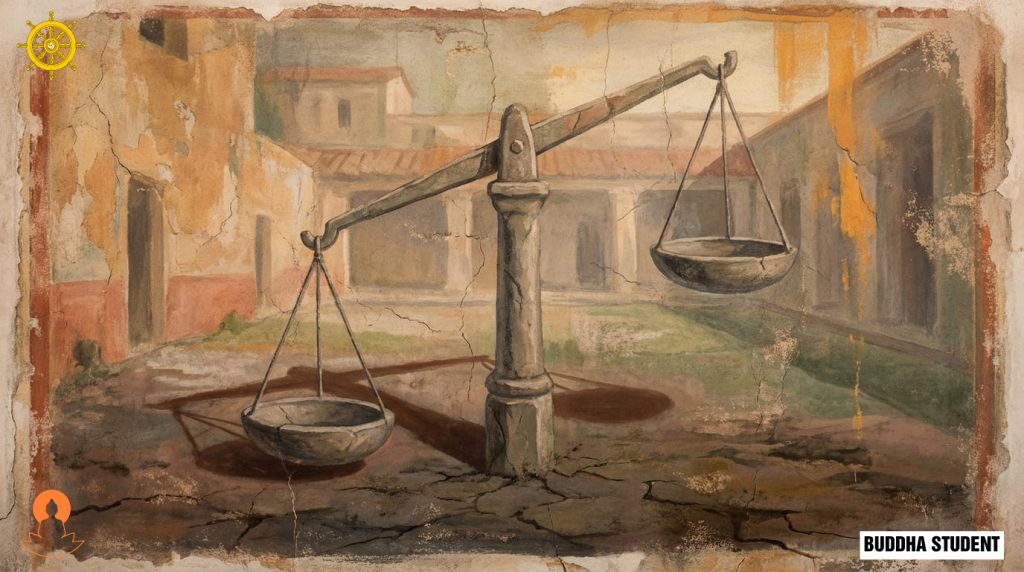
Thus, there are four paths that lead the mind away from balance: bias through desire, bias through hatred, bias through delusion, and bias through fear.
The Middle Way: Where Compassion and Wisdom Meet
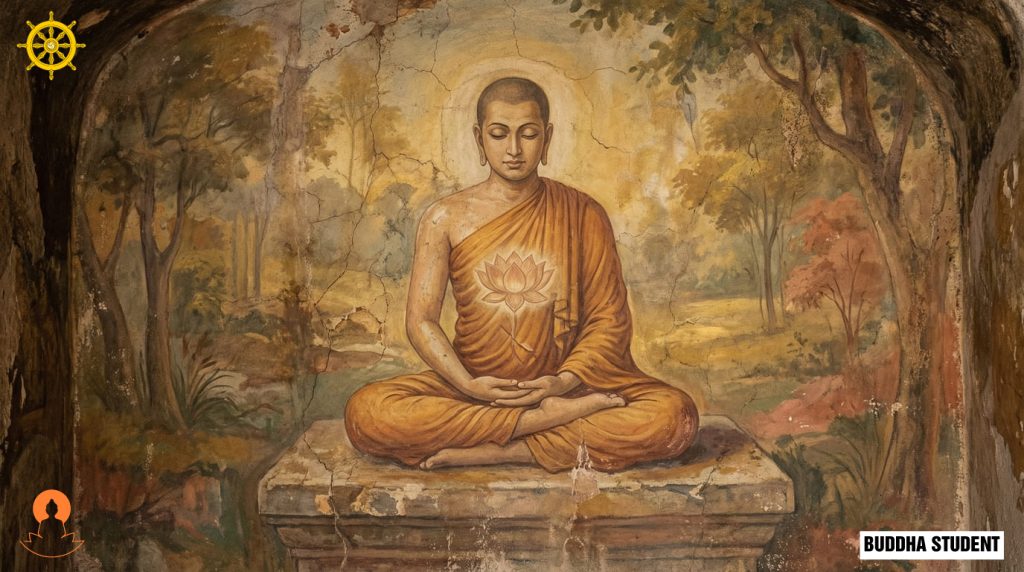
The Middle Way is not about compromise, but clarity. It avoids extremes:
- Not blind attachment, not harsh judgment
- Not emotional indulgence, not cold detachment
- Not aggression, not helplessness
It is the ability to see reality as it is, without distortion from greed, anger, delusion, or fear.
In relationships, attachment can blind us to others’ faults, leading to disappointment. Excessive tolerance can enable harmful behavior. Yet excessive rigidity leads to loss of peace.
The balanced approach is simple:
- Care without attachment.
- Help without losing clarity.
- Love without losing truth.
Compassion understands suffering. Wisdom understands its causes.
Compassion without wisdom becomes attachment.
Wisdom without compassion becomes coldness.
Compassion makes us gentle.
Wisdom makes us steady.
Together, they create balance:
- We do not harm others.
- We do not allow ourselves to be harmed.
- We act from understanding, not impulse.
Stability does not come from making others fear you, nor from pleasing everyone. It comes from not betraying the truth within your own mind.
You speak when necessary, not from anger.
You remain silent when appropriate, not from fear.
This is freedom—not based on power or recognition, but on clarity and inner balance.
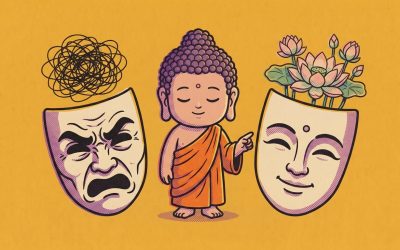
Compassion and wisdom are like two sides of the same coin. Without one, the path becomes unbalanced. With both, the path becomes whole.
Be a lamp unto yourself.
Let the Dhamma be your refuge.
Do not rely on anything else.
Light your torch—and walk your path.


wish you best and best